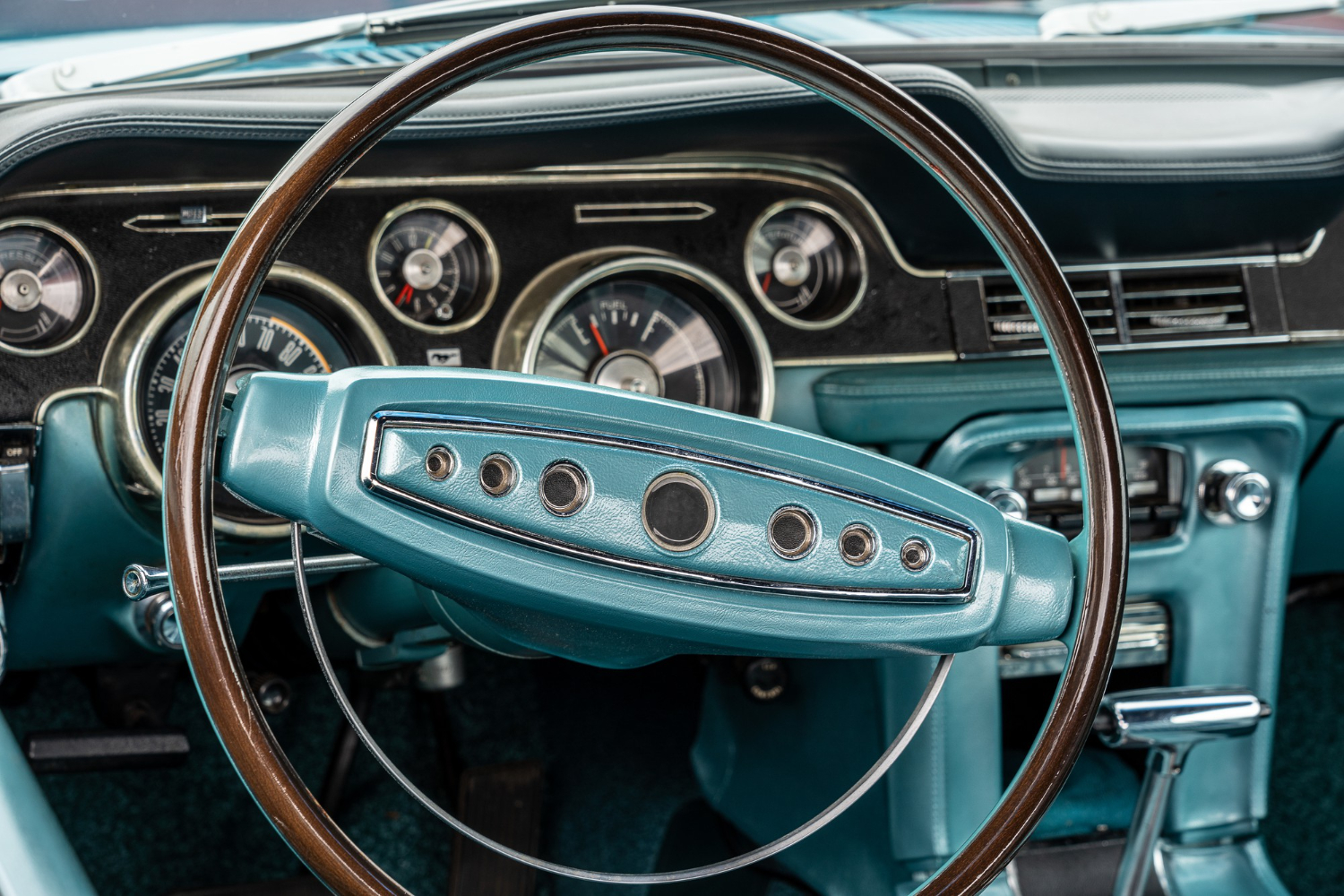
Most standard auto insurance policies are designed around factory-built vehicles. That works fine if your car is completely stock, but it can leave gaps if you’ve added upgrades or modifications after purchase.
Custom equipment coverage is designed to fill that gap. It protects non-factory parts and enhancements that aren’t always included under basic collision or comprehensive coverage.
Understanding what it includes—and what it doesn’t—can help you avoid surprises if you ever need to file a claim.
What Counts as Custom Equipment
Custom equipment generally refers to any permanent additions or modifications made to a vehicle that were not installed by the manufacturer.
These can include a wide range of upgrades, such as:
- Aftermarket audio systems
- Custom wheels or rims
- Performance enhancements (engine or exhaust modifications)
- Upgraded suspension systems
- Custom paint jobs or vinyl wraps
- Interior modifications like upgraded seats or trim
- Tinted windows (in some cases)
The key factor is that these items increase the vehicle’s value or functionality beyond its original factory condition.
How Custom Equipment Coverage Works
Custom equipment coverage is usually added as an endorsement or optional add-on to your existing auto insurance policy.
It works alongside your standard coverage, meaning:
- Collision coverage may repair your vehicle after an accident
- Comprehensive coverage may protect against theft or damage
- Custom equipment coverage specifically protects your added modifications
Without this extra coverage, your insurer may only reimburse you for the factory version of your vehicle—not the upgrades you’ve invested in.
What It Typically Covers
Coverage varies by insurer, but most policies that include custom equipment protection may help pay for:
Replacement of Modified Parts
If your upgraded parts are damaged in a covered event, the policy may help repair or replace them.
Installed Accessories
Items that are permanently attached to the vehicle are usually included, such as upgraded sound systems or built-in electronics.
Paint and Exterior Modifications
Custom paint jobs, wraps, or decals may be covered if they were professionally installed and declared on the policy.
Performance Enhancements
Certain mechanical upgrades that improve performance may also be included, depending on the insurer’s guidelines.
What It Usually Does NOT Cover
Custom equipment coverage is specific, and there are limits to what it protects.
Common exclusions may include:
- Personal belongings stored inside the vehicle (like laptops or phones)
- Temporary or removable accessories
- Undeclared modifications
- Items installed for commercial or racing purposes
- Wear-and-tear or mechanical breakdown unrelated to a covered loss
If an upgrade isn’t disclosed or documented, it may not be eligible for coverage.
Coverage Limits and Why They Matter
Custom equipment coverage typically comes with a separate limit, which is the maximum amount the insurer will pay for modified parts.
For example, if you have $5,000 in custom equipment coverage and your upgrades are worth $8,000, you would only be covered up to the policy limit in a covered loss.
Because of this, it’s important to estimate the total value of your modifications accurately when setting up your policy.
When You Should Consider It
Custom equipment coverage is most useful if you’ve made meaningful investments in your vehicle.
It may be worth adding if:
- You’ve installed expensive aftermarket parts
- Your vehicle has cosmetic or performance upgrades
- You want to protect your investment beyond factory specifications
- You would struggle to replace modifications out of pocket
Even modest upgrades can add up quickly, especially when labor and installation costs are included.
When You Might Skip It
Not every driver needs custom equipment coverage.
You may not need it if:
- Your vehicle is completely stock
- You’ve only added minor or low-cost accessories
- Your modifications are easily replaceable or inexpensive
- You are comfortable absorbing the cost of upgrades if they’re lost
In those cases, standard coverage may be sufficient.
Why Documentation Matters
One of the most important parts of custom equipment coverage is documentation.
Insurers may require proof of value, such as:
- Receipts for parts and installation
- Photos of the modifications
- Professional appraisal (in some cases)
Without documentation, it can be harder to prove the value of custom parts during a claim.
Common Misunderstanding: “My Insurance Covers Everything”
A frequent misconception is that full coverage automatically includes aftermarket upgrades. In reality, standard policies often only account for the original factory specifications of the vehicle.
Without a custom equipment endorsement, upgrades may not be fully reimbursed after an accident or theft.
Custom equipment coverage is designed for drivers who have invested in making their vehicle more than just factory standard.
Whether it’s performance upgrades, cosmetic enhancements, or high-end audio systems, these additions can represent a significant financial investment.
While not every driver needs it, those who modify their vehicles often find that it provides valuable protection and peace of mind. The key is making sure your coverage matches the actual value of your car—not just what it was worth when it left the dealership.