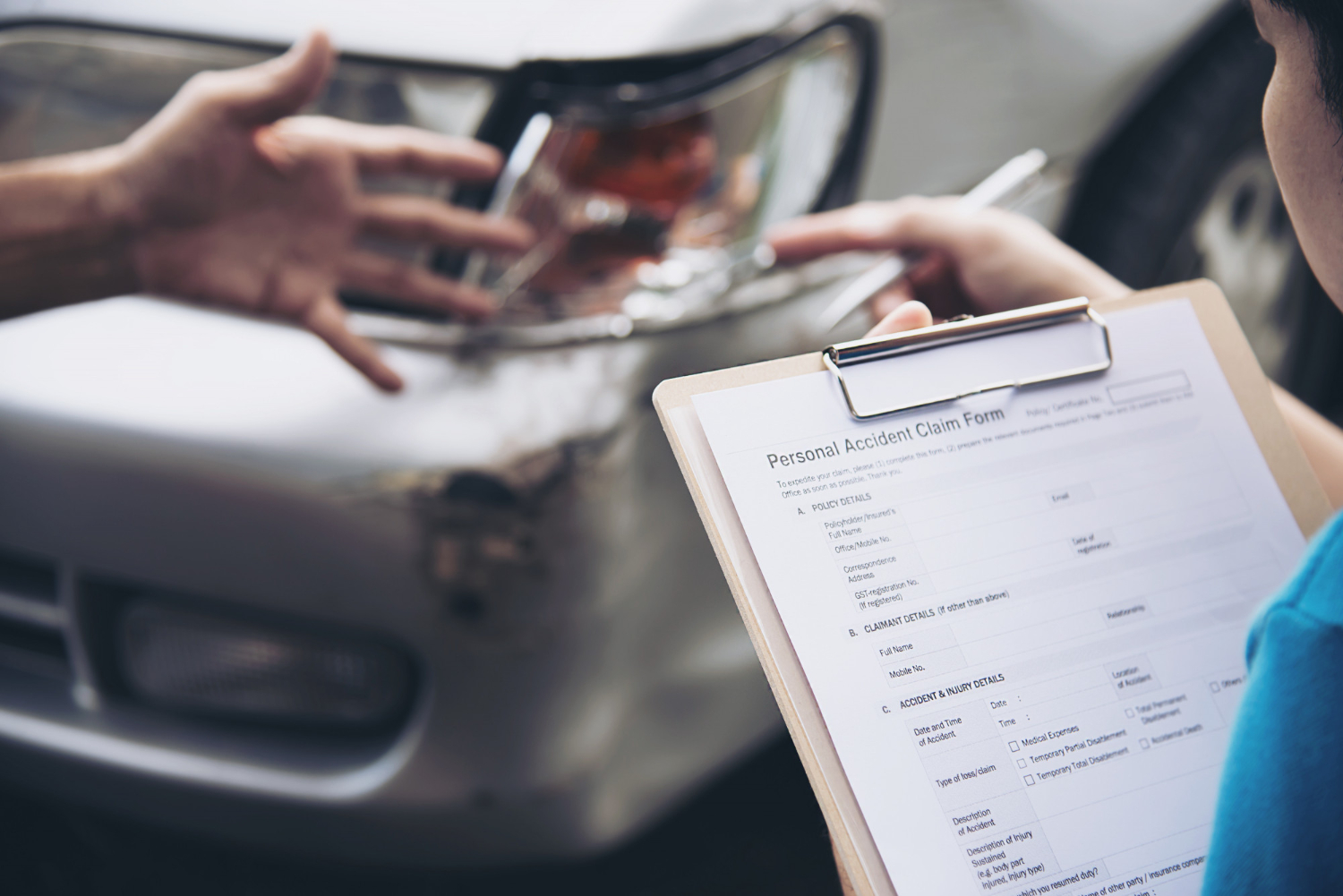
No one buys auto insurance hoping to use it, but when an accident or other covered event happens, knowing how the claims process works can make the experience far less stressful. While every insurance company has its own procedures, most claims follow the same general path from start to finish.
Understanding what to expect at each stage can help you prepare the necessary information, avoid unnecessary delays, and feel more confident throughout the process.
Step 1: Report the Incident
The claims process begins when you notify your insurance company about an accident or covered loss.
Most insurers allow you to report a claim by:
- Phone
- Mobile app
- Online account
- Local insurance agent
When filing the claim, you’ll typically be asked for basic information, including:
- The date and time of the incident
- Where it happened
- A description of what occurred
- The names of any other drivers involved
- Photos or videos of the damage, if available
The sooner you report the incident, the sooner your insurer can begin reviewing your claim.
Step 2: Receive a Claim Number
After your claim is submitted, your insurance company will assign it a claim number.
This number serves as the reference for your case and helps both you and your insurer keep track of updates throughout the process.
You’ll usually use this number whenever you contact the claims department.
Step 3: A Claims Adjuster Reviews the Case
Most claims are assigned to a claims adjuster.
The adjuster’s job is to review the details of the incident and determine:
- What happened
- Which coverages apply
- The extent of the damage
- Whether additional information is needed
Depending on the situation, the adjuster may contact you for clarification or request documents such as photos, repair estimates, or a copy of the police report.
Step 4: Vehicle Damage Is Assessed
If your vehicle was damaged, the insurer will typically arrange for an inspection.
This may involve:
- Reviewing photos you submitted
- An in-person inspection
- An estimate from a repair shop
- A combination of these methods
The goal is to determine the cost of repairing the vehicle and whether those repairs are covered under your policy.
Step 5: Coverage Is Reviewed
At this stage, the insurance company compares the details of the incident with your policy.
They’ll review factors such as:
- Your coverage types
- Policy limits
- Deductibles
- Any exclusions that may apply
This step determines whether the claim qualifies for payment and how much the insurer may cover.
Step 6: Repair or Replacement Decisions
Once the damage has been evaluated, the insurer will decide whether the vehicle should be repaired or declared a total loss.
If the vehicle is repairable, you’ll typically receive instructions on the next steps for completing the repairs.
If repair costs approach or exceed the vehicle’s value, the insurer may determine that it’s more practical to classify the vehicle as a total loss and settle the claim accordingly.
Step 7: Pay Your Deductible
If your claim involves coverage with a deductible—such as collision or comprehensive—you’ll generally be responsible for paying that amount.
For example:
- Repair cost: $4,500
- Deductible: $500
In this case, you would pay the deductible, and your insurance company would cover the remaining eligible repair costs according to your policy.
Liability claims typically do not require you to pay a deductible for damage caused to others.
Step 8: Claim Payment
After the claim is approved, payment is issued according to the terms of your policy.
Depending on the circumstances, payment may be made to:
- You
- The repair shop
- A lender or leasing company
- Another party involved in the claim
The payment process varies based on the type of claim and the coverage involved.
Stay in Communication
Throughout the claims process, it’s helpful to stay in contact with your insurance company.
Respond promptly if you’re asked to provide:
- Additional documents
- Repair estimates
- Medical information
- Photos
- Other supporting information
Quick responses can help keep the claim moving forward without unnecessary delays.
Keep Good Records
It’s a good idea to save all documents related to your claim.
These may include:
- Claim number
- Police report
- Photos of the accident
- Repair estimates
- Receipts
- Emails or letters from your insurer
Having everything organized makes it easier to answer questions or reference information later.
Common Reasons Claims Take Longer
While many claims are resolved quickly, some require additional time.
Delays may occur if:
- Multiple vehicles are involved
- Liability is disputed
- Damage is extensive
- Additional documentation is needed
- Repair parts are unavailable
Patience and clear communication can help make the process smoother when complications arise.
How You Can Help the Process Go Smoothly
Although much of the claims process is handled by your insurance company, there are several things you can do to keep everything moving efficiently.
These include:
- Reporting the claim as soon as possible
- Providing accurate information
- Taking clear photos of the damage
- Keeping copies of important documents
- Responding promptly to requests from your adjuster
Being organized can reduce delays and make it easier for your insurer to evaluate your claim.
The insurance claims process is designed to help restore you financially after a covered loss, but understanding how it works before you ever need it can make a stressful situation feel much more manageable.
From reporting the accident and documenting the damage to working with a claims adjuster and completing repairs, each step plays an important role in resolving your claim. By knowing what to expect and staying organized throughout the process, you’ll be better prepared to navigate the experience with confidence and get back on the road as quickly as possible.