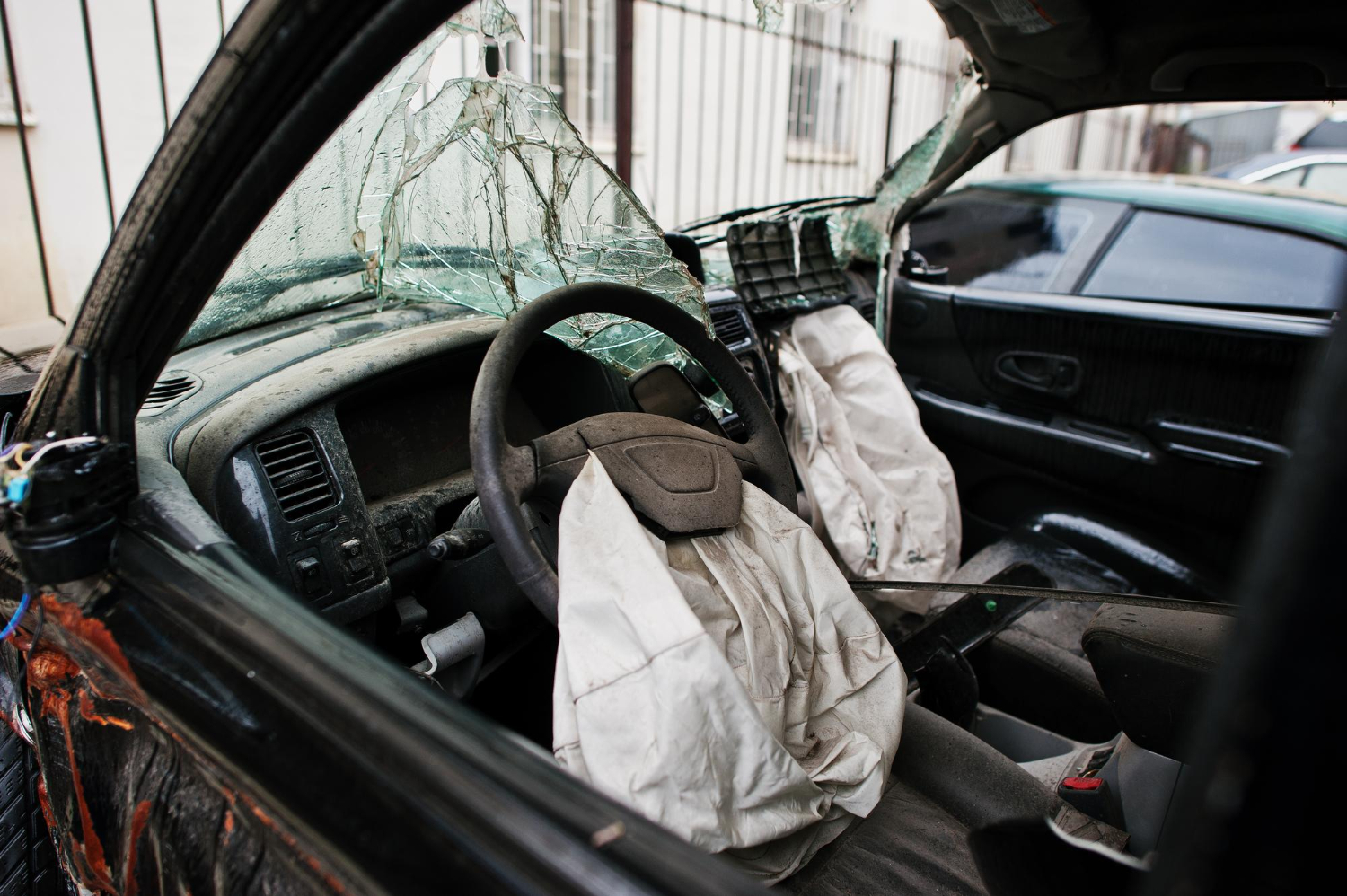
Hearing that your car is a “total loss” can be frustrating, especially if the vehicle still looks repairable or you’ve only had it for a few years. But in insurance terms, a total loss doesn’t necessarily mean the car is destroyed—it means repairing it would cost more than it’s worth.
Understanding how insurers calculate a total loss can help you make sense of the decision and know what to expect from your settlement.
What “Total Loss” Actually Means
A vehicle is typically considered a total loss when the cost to repair it is close to or greater than its actual cash value (ACV).
In simple terms:
If fixing the car costs more than the car is worth, it’s usually declared a total loss.
Insurance companies don’t just look at repair costs—they compare them to the vehicle’s market value right before the accident.
Step 1: Determining the Vehicle’s Value
The first step in a total loss calculation is figuring out how much your car was worth immediately before the accident.
This is called the Actual Cash Value (ACV).
To estimate ACV, insurers consider:
- Make, model, and year
- Mileage
- Overall condition before the accident
- Vehicle features and upgrades
- Local market prices for similar vehicles
- Depreciation over time
They often use valuation tools and market data to estimate what a similar vehicle would sell for in your area.
Step 2: Calculating Repair Costs
Next, the insurer estimates how much it would cost to repair the vehicle.
This includes:
- Parts (OEM or aftermarket, depending on policy)
- Labor costs
- Paint and materials
- Structural or mechanical repairs
- Additional hidden damage discovered during inspection
Repair estimates are usually created by adjusters or approved repair shops using standardized estimating systems.
Step 3: Comparing Repair Costs to Value
Once both numbers are known, the insurer compares them.
For example:
- Vehicle value (ACV): $10,000
- Repair estimate: $9,500
In this case, the repair cost is very close to the vehicle’s value, which may lead the insurer to declare it a total loss.
Each insurer and state may use a specific percentage threshold to make this decision. That threshold is often called the total loss threshold.
Step 4: Understanding the Total Loss Threshold
The total loss threshold is the point at which repair costs are considered too high compared to the vehicle’s value.
This threshold varies by state and insurer but is commonly in the range of:
- 70% to 80% of the vehicle’s ACV
So if repairs exceed that percentage of the vehicle’s value, it may automatically be classified as a total loss.
For example:
- ACV: $10,000
- 75% threshold: $7,500
- Repair cost: $8,000 → total loss likely
Step 5: Subtracting Deductibles and Adjustments
Once a total loss is confirmed, the final settlement is calculated.
From the vehicle’s ACV, insurers subtract:
- Your deductible (if applicable)
- Any outstanding loan balance handling (if financed or leased)
- Fees or adjustments required by state regulations
The result is the amount you are typically paid for the vehicle.
Step 6: Paying Off Loans or Leases
If your vehicle is financed or leased, the settlement process may include your lender.
In many cases:
- The insurance payment goes directly to the lender
- Any remaining balance may still be your responsibility
- Gap insurance may cover the difference between ACV and loan balance
This is especially important when you owe more than the car’s current value.
Step 7: Salvage Value and Ownership Transfer
When a vehicle is declared a total loss, it usually becomes salvage.
The insurance company may:
- Take possession of the vehicle
- Sell it to a salvage yard or auction
- Offer you the option to keep it (in some cases)
If you choose to keep the vehicle, the settlement amount is reduced by its salvage value.
Why Market Value Matters More Than Purchase Price
One of the most common surprises in total loss claims is that settlement amounts are based on current market value—not what you originally paid for the car.
Because vehicles depreciate over time, the ACV is often lower than:
- The purchase price
- The remaining loan balance
- What the owner believes the car is worth
This difference is a normal part of how insurance works.
How Condition Affects the Settlement
Two identical vehicles can have different payouts depending on condition.
Insurers consider:
- Maintenance history
- Pre-accident wear and tear
- Interior and exterior condition
- Aftermarket modifications or upgrades
A well-maintained vehicle in excellent condition may have a higher ACV than one with visible wear or mechanical issues.
What Happens After a Total Loss Decision
Once a vehicle is declared a total loss:
- The insurer finalizes the ACV
- Deductibles and adjustments are applied
- Payment is issued
- Ownership is transferred (if applicable)
- The claim is closed
At that point, you can use the settlement toward a replacement vehicle.
Can You Dispute a Total Loss Valuation?
Yes, in some cases.
If you believe the valuation is too low, you can:
- Provide maintenance records
- Show comparable vehicle listings in your area
- Point out features or upgrades not included in the estimate
- Request a second review
Insurers may adjust the valuation if supporting evidence justifies it.
A total loss claim isn’t just a judgment that a car is “beyond repair”—it’s a financial calculation based on market value, repair costs, and state regulations.
While the outcome can be disappointing, the process is designed to reflect what your vehicle was worth at the time of the accident.
Understanding how ACV, repair estimates, and thresholds work can make the process less confusing and help you prepare for what comes next, especially if you ever find yourself replacing a vehicle after a serious accident.