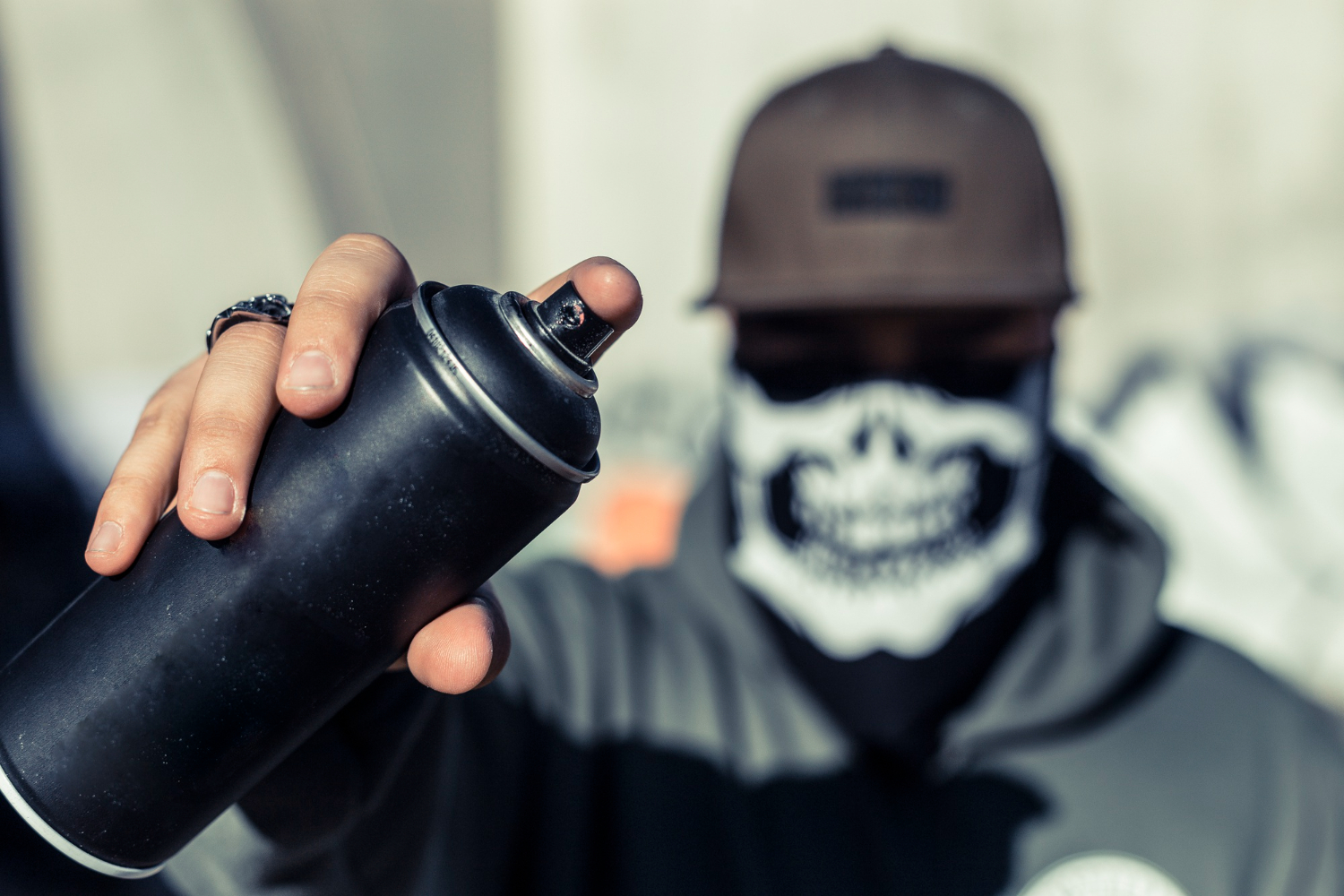
Finding your car damaged for no obvious reason is frustrating enough. When you realize it was vandalized, the situation feels even worse. Scratches, broken windows, slashed tires, or spray paint don’t just affect your vehicle—they also raise questions about what to do next and whether insurance will cover it.
The good news is that vandalism is often covered under standard auto insurance, but the process of filing a claim follows a specific path.
Step 1: Make Sure the Scene Is Safe
Before anything else, check your surroundings. Vandalism can sometimes happen in unsafe areas or repeat locations.
If your vehicle is in a risky spot, consider moving it (if possible) or staying nearby in a safe location while you assess the damage.
Your safety always comes first, even before documenting the incident.
Step 2: Document All the Damage
Once it’s safe, take detailed photos of your vehicle.
Be sure to capture:
- Close-up shots of all damage
- Wide shots of the entire vehicle
- Any broken glass or debris
- Nearby surroundings or possible evidence
- Paint marks, scratches, or dents
The more documentation you have, the easier it will be for your insurance company to evaluate the claim.
Step 3: File a Police Report
Vandalism is typically considered a criminal act, so filing a police report is an important step.
When speaking with law enforcement, provide:
- Location and time the damage was discovered
- Description of the damage
- Any possible witnesses or surveillance cameras nearby
- A clear explanation of what you observed
Even if the vandalism appears minor, the police report serves as official documentation for your insurance claim.
Step 4: Contact Your Insurance Company
After filing a police report, notify your insurance provider as soon as possible.
You’ll need to provide:
- Your policy number
- A description of the incident
- Photos of the damage
- The police report number (if available)
Your insurer will open a claim and assign an adjuster to review the situation.
Step 5: Understanding Coverage for Vandalism
Vandalism is typically covered under comprehensive coverage, not liability or collision insurance.
Comprehensive coverage may help pay for:
- Broken windows
- Scratches or paint damage
- Slashed tires
- Damaged mirrors or lights
- Other intentional damage to your vehicle
However, coverage depends on your policy limits and deductible.
Step 6: Paying Your Deductible
Like most comprehensive claims, you will usually be responsible for paying a deductible before insurance covers the remaining repair costs.
For example:
- Repair cost: $1,200
- Deductible: $500
- Insurance pays: $700
If the damage is minor and costs less than your deductible, you may need to pay for repairs out of pocket.
Step 7: Vehicle Inspection and Repair Estimates
Once your claim is filed, the insurance adjuster will evaluate the damage.
This may involve:
- Reviewing your photos
- Inspecting the vehicle in person
- Working with a repair shop for estimates
The goal is to determine how much repairs will cost and whether they are covered under your policy.
Step 8: Repair Process
After the estimate is approved, you can proceed with repairs.
Depending on your insurer, you may:
- Choose a repair shop from a network
- Use a shop of your choice
- Have payments sent directly to the repair facility
Repairs typically include restoring damaged panels, replacing broken glass, or repainting affected areas.
Step 9: When Vandalism Leads to a Total Loss
In rare cases, vandalism damage can be severe enough that repairs exceed the vehicle’s value.
If this happens, your insurer may declare the vehicle a total loss and calculate its Actual Cash Value (ACV).
You would then receive a settlement based on the vehicle’s value minus your deductible.
Step 10: What If Personal Items Were Stolen or Damaged?
Auto insurance generally does not cover personal belongings inside the vehicle.
Items like laptops, phones, or bags may instead be covered under:
- Homeowners insurance
- Renters insurance
It’s important to review your policies separately if personal property was affected.
Step 11: Why Prompt Reporting Matters
Reporting vandalism quickly helps:
- Preserve evidence
- Speed up the claims process
- Improve the chances of identifying suspects
- Prevent further damage
Delays in reporting can sometimes make investigations more difficult.
Step 12: Preventing Future Vandalism
While not all vandalism can be prevented, a few steps may reduce risk:
- Parking in well-lit areas
- Using garages when available
- Installing dash cameras or security systems
- Avoiding isolated parking locations when possible
These precautions won’t eliminate risk entirely, but they can help deter opportunistic damage.
Car vandalism is unexpected and often upsetting, but insurance can help ease the financial burden if you have comprehensive coverage.
The process typically involves documenting the damage, filing a police report, and working with your insurer to repair or replace affected parts.
While the experience can be inconvenient, understanding how the claims process works can make it easier to respond quickly and get your vehicle back in good condition.