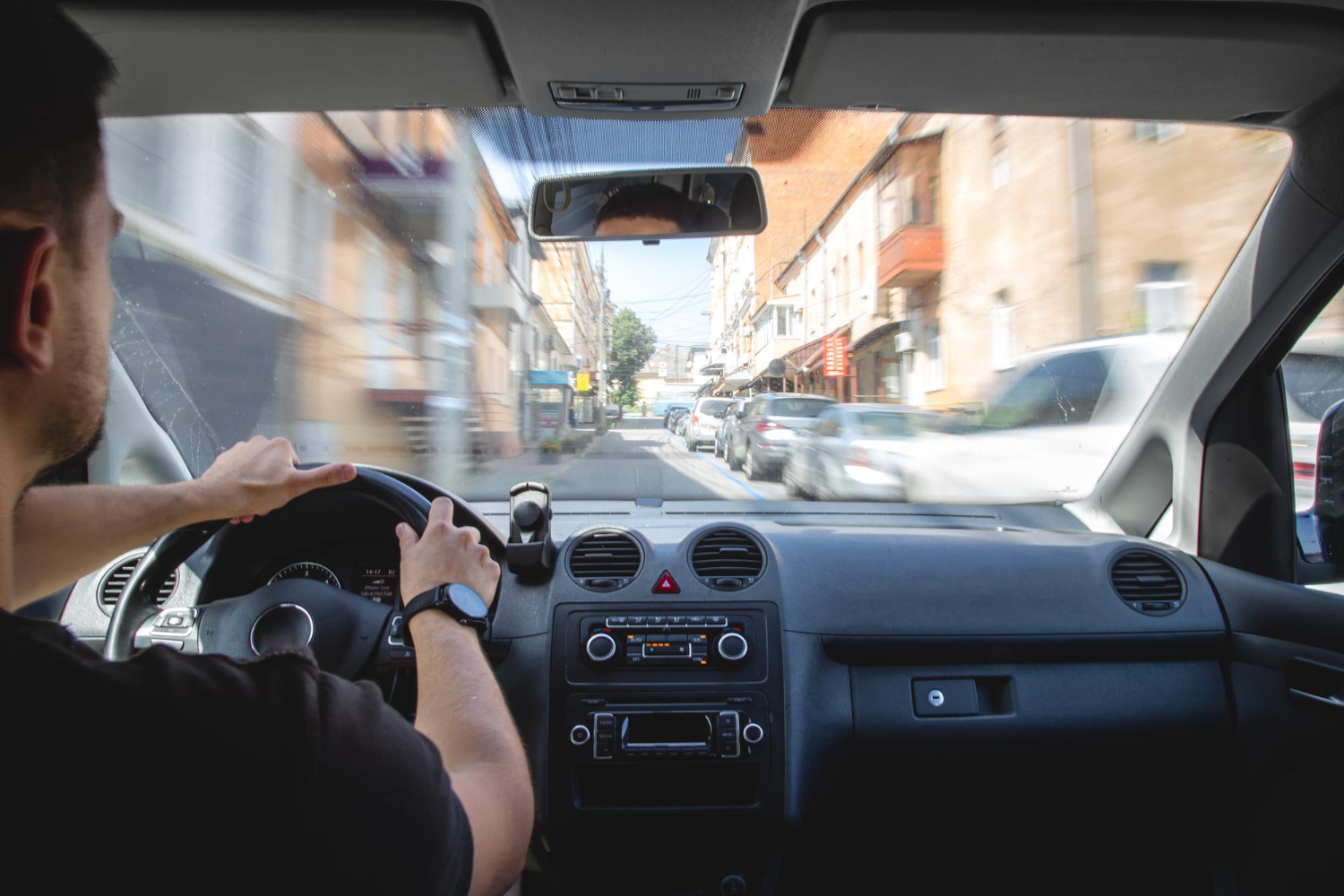
Most drivers know that speeding can lead to a traffic ticket, but many don’t realize it can also affect their auto insurance costs. A speeding violation may seem like a one-time mistake, yet insurers often view it as a sign of increased risk.
Because insurance premiums are based largely on the likelihood of future claims, speeding can influence how much you pay—not just immediately, but for several years afterward.
Here’s a closer look at why speeding matters to insurance companies and how it can impact your premiums.
Why Insurance Companies Care About Speeding
Insurance providers use your driving history to estimate how likely you are to be involved in an accident.
From their perspective, speeding increases risk because it can:
- Reduce reaction time
- Increase stopping distance
- Make collisions more severe
- Increase the likelihood of losing control of a vehicle
Drivers with speeding violations are statistically more likely to file claims than those with clean driving records, which is why insurers often charge higher premiums after a ticket.
A Speeding Ticket Can Raise Your Premium
One of the most common consequences of a speeding violation is an increase in your insurance rate.
The exact increase depends on several factors, including:
- How far over the speed limit you were driving
- Your previous driving history
- Your insurance company
- State regulations
- Whether you’ve had other recent violations
For someone with an otherwise clean driving record, a single ticket may have a moderate impact. Multiple violations, however, often result in much larger premium increases.
Serious Speeding Violations Have Greater Consequences
Not all speeding tickets are treated the same.
Driving significantly above the speed limit or receiving a citation for reckless driving may be viewed as a more serious offense.
In these situations, insurers may:
- Apply larger rate increases
- Remove certain discounts
- Classify you as a higher-risk driver
- Reevaluate your eligibility for preferred coverage
The more severe the violation, the greater its potential impact on your insurance.
Multiple Tickets Can Add Up
A single speeding ticket may increase your premium, but several violations within a short period can have a much bigger effect.
Repeated speeding offenses may suggest a pattern of risky driving rather than an isolated mistake.
This can lead to:
- Higher renewal rates
- Fewer available discounts
- More limited insurance options
- Placement in a higher-risk rating category
Maintaining a clean driving record is generally the best way to avoid these outcomes.
Speeding Can Affect More Than Your Premium
In addition to higher insurance costs, speeding may also impact other aspects of your policy.
Depending on the insurer, repeated violations could affect:
- Safe driver discounts
- Accident forgiveness eligibility
- Preferred customer status
- Policy renewal terms
Even if your premium increase seems modest at first, losing valuable discounts can make your overall insurance more expensive.
Speeding and Accident Claims
If speeding contributes to an accident, the financial impact may be greater than a ticket alone.
An at-fault accident combined with a speeding violation can lead to:
- Higher future premiums
- Loss of discounts
- A more significant change in your risk profile
Avoiding speeding helps reduce both the chance of receiving a citation and the likelihood of being involved in a collision.
How Long Does a Speeding Ticket Affect Insurance?
A speeding ticket doesn’t typically affect your insurance forever.
Many insurers consider driving violations for several years when calculating premiums.
The exact time frame varies depending on:
- State regulations
- The insurance company
- The severity of the violation
As time passes without additional tickets or accidents, the impact of an older speeding violation often becomes less significant.
Defensive Driving Can Help
Some drivers may have opportunities to offset the impact of a speeding ticket.
Depending on your insurer or state, you may qualify for:
- Defensive driving courses
- Safe driving programs
- Telematics or usage-based insurance programs
These options don’t erase a violation, but they may help demonstrate responsible driving habits going forward.
Good Driving Habits Keep Costs Lower
The best way to avoid insurance increases related to speeding is to develop consistent driving habits.
Simple practices include:
- Following posted speed limits
- Adjusting your speed for weather and road conditions
- Leaving enough time for trips to avoid rushing
- Using cruise control on long highway drives when appropriate
- Staying aware of changing speed zones
These habits not only help reduce insurance costs but also improve overall road safety.
Think About the Long-Term Cost
Speeding may save only a few minutes on a trip, but the financial consequences can last much longer.
A single violation can lead to:
- Increased insurance premiums
- Traffic fines
- Court costs, in some cases
- Loss of discounts
- Higher long-term driving expenses
When viewed over several years, the true cost of speeding can be much greater than the ticket itself.
Speeding affects more than your chances of getting pulled over—it can also have a lasting impact on your auto insurance rates.
Because insurers use driving history to assess risk, even one speeding ticket may lead to higher premiums, while repeated violations can significantly increase your insurance costs.
By following speed limits, practicing defensive driving, and maintaining a clean driving record, you can improve your safety on the road while also keeping your insurance premiums as affordable as possible. Safe driving benefits everyone, and it often pays off long after you’ve reached your destination.