Driving conditions can change dramatically throughout the year. A road that’s easy to navigate on a sunny summer afternoon may become much more challenging during a winter snowstorm or a heavy spring rain. Each season brings its own hazards, and adjusting your driving habits to match the conditions can help reduce the risk of accidents.
Whether you’re commuting every day or heading out on a road trip, understanding seasonal driving risks can help you stay safer behind the wheel.
Spring: Watch for Rain and Changing Road Conditions
After winter, spring often brings frequent rain, potholes, and unpredictable weather.
To drive safely during spring:
- Slow down on wet roads.
- Leave extra space between your vehicle and the one ahead.
- Watch for standing water that could cause hydroplaning.
- Be alert for potholes that may have formed during winter.
- Replace worn windshield wipers if they leave streaks.
Rain can reduce tire traction quickly, especially during the first few minutes of a storm when oil residue mixes with water on the road.
Summer: Prepare for Heat and Heavy Traffic
Summer is one of the busiest driving seasons, with more families traveling, road construction projects underway, and higher temperatures affecting vehicles.
Before long trips:
- Check your tire pressure.
- Inspect coolant and fluid levels.
- Test your air conditioning system.
- Make sure your battery is in good condition.
- Pack water and basic emergency supplies.
During summer travel, stay patient in heavy traffic and avoid driving when you’re overly tired, especially on long highway trips.
Fall: Be Aware of Leaves and Shorter Days
Autumn brings cooler temperatures, earlier sunsets, and changing road conditions.
Fallen leaves can become surprisingly slippery when they’re wet, creating traction similar to ice.
Fall driving tips include:
- Slow down on leaf-covered roads.
- Watch carefully for school buses and children during the school year.
- Turn on your headlights earlier as daylight hours become shorter.
- Stay alert for wildlife, especially during dawn and dusk.
Deer and other animals are often more active during the fall, making extra caution important on rural roads.
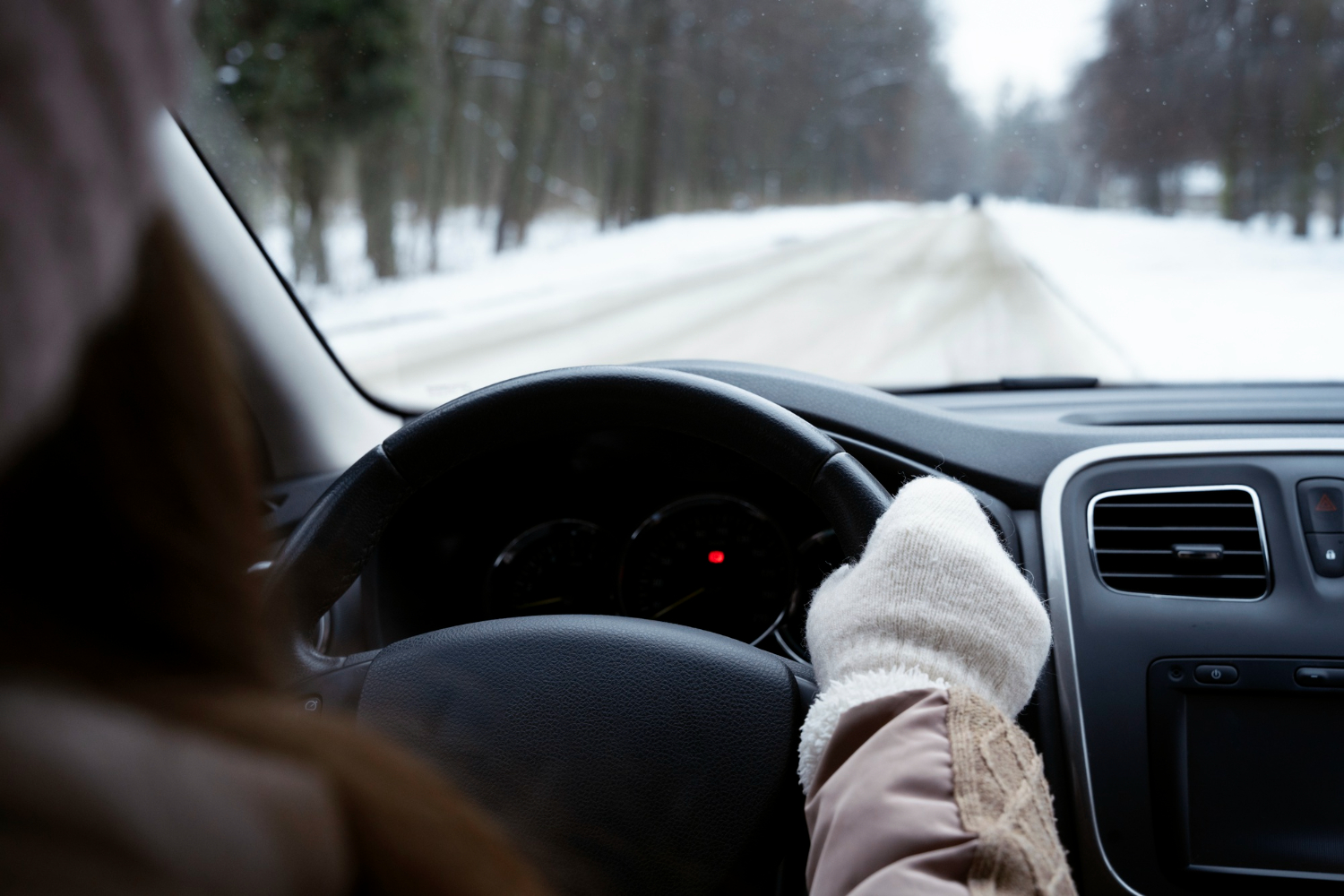
Winter: Slow Down and Give Yourself More Time
Winter often presents the most challenging driving conditions of the year.
Snow, ice, freezing rain, and reduced visibility require drivers to be especially cautious.
Safe winter driving habits include:
- Reduce your speed.
- Increase your following distance.
- Accelerate and brake gently.
- Clear all snow and ice from your vehicle before driving.
- Keep your fuel tank at least half full during cold weather.
Even roads that appear clear may contain patches of black ice, which can be difficult to see.
Adjust Your Speed for Conditions
Posted speed limits are designed for ideal driving conditions.
When weather changes, it’s often safest to drive below the speed limit if necessary.
Reduce your speed during:
- Rainstorms
- Snowfall
- Fog
- High winds
- Heavy traffic
Driving at a speed appropriate for the conditions gives you more time to react to unexpected hazards.
Keep Your Vehicle Well Maintained Year-Round
Seasonal driving is easier when your vehicle is properly maintained.
Regularly inspect:
- Tires
- Brakes
- Headlights
- Windshield wipers
- Battery
- Engine fluids
Routine maintenance helps reduce the chance of breakdowns and keeps your vehicle performing safely in changing weather.
Pack an Emergency Kit
Unexpected situations can happen in any season.
A basic emergency kit may include:
- Flashlight
- First-aid supplies
- Phone charger
- Bottled water
- Basic tools
- Jumper cables
- Blanket for cold weather
- Reflective warning triangles
Having these items available can be helpful if you’re delayed or stranded.
Watch the Weather Before You Leave
Checking the forecast before starting your trip can help you prepare for changing road conditions.
If severe weather is expected:
- Consider delaying non-essential travel.
- Allow extra travel time.
- Plan alternate routes if needed.
- Let someone know your travel plans for longer trips.
A few minutes of planning can prevent unnecessary stress on the road.
Increase Following Distance
No matter the season, extra space between vehicles provides more time to react.
Increase your following distance when:
- Roads are wet or icy.
- Visibility is limited.
- Traffic is heavy.
- You’re driving behind large trucks or buses.
More following distance gives you additional time to brake safely if traffic slows unexpectedly.
Stay Focused Behind the Wheel
Seasonal hazards demand your full attention.
Avoid distractions such as:
- Texting while driving
- Adjusting your phone or GPS while moving
- Eating behind the wheel
- Reaching for loose items inside the vehicle
Remaining focused allows you to respond more quickly to changing road conditions.
Be Patient With Other Drivers
Weather often affects everyone on the road.
Allow extra room for drivers who may be traveling more slowly or cautiously.
Avoid:
- Tailgating
- Aggressive lane changes
- Excessive speeding
- Sudden braking whenever possible
Patience helps reduce stress and lowers the risk of collisions.
Every season brings unique driving challenges, from spring rain and summer road trips to fall wildlife activity and winter snowstorms.
The safest drivers recognize these changing conditions and adjust their habits accordingly.
By slowing down when necessary, maintaining your vehicle, staying alert, and planning ahead, you can reduce your risk of accidents throughout the year. Safe seasonal driving isn’t about mastering difficult conditions—it’s about making smart decisions before and during every trip, no matter what the weather brings.